Hazardous Waste Disposal FAQs for Paddington Landlords
Posted on 18/06/2026

Landlords in Paddington often deal with the awkward stuff nobody talks about until it is sitting in a hallway, airing cupboard, garage, or old storage locker. A broken fluorescent tube. A tin of solvent left behind after decorating. A bag of paint, a discarded battery, or something nastier from a previous tenant. Hazardous Waste Disposal FAQs for Paddington Landlords is really about one thing: knowing what to do before a small problem turns into a safety issue, a compliance headache, or a very expensive mess.
To be fair, most landlords are not trying to ignore the rules. They are just trying to move quickly, keep tenants safe, and get a property ready for the next stage. This guide breaks the topic down in plain English: what counts as hazardous waste, how disposal typically works in London, what you should never do, and which practical steps help keep a rental property tidy, legal, and less stressful. If you manage several flats, oversee a single buy-to-let, or handle end-of-tenancy clearances, this is written for you.
One quick note before we get stuck in: hazardous waste is one of those topics where a calm plan beats a rushed guess every time. The wrong bin, the wrong skip, or the wrong contractor can create a bigger problem than the waste itself. And nobody wants that on a damp Tuesday morning.
Why Hazardous Waste Disposal FAQs for Paddington Landlords Matters
Hazardous waste matters because landlords carry a duty of care, and because rental properties are full of mixed-use spaces where risky items turn up unexpectedly. In Paddington, that can mean basement storage, compact flats, serviced apartments, house shares, or older buildings where previous occupants left behind things that look harmless but are not.
The practical risk is simple: hazardous materials can injure people, damage property, contaminate other rubbish, and trigger avoidable enforcement or collection problems. A leaking container in a hallway is not just unpleasant; it can also affect cleaners, contractors, tenants, and neighbours. In a dense area like Paddington, where access can be tight and disposal routes have to be organised carefully, the margin for error is smaller than many landlords expect.
There is also a trust angle. Good tenants notice whether a landlord handles clearance responsibly. They notice when a property smells of old paint, when loose sharps have been left in a cupboard, or when waste has been dumped in the wrong place. It does not take much to create a bad impression. And once trust slips, it can be surprisingly hard to rebuild.
Expert summary: If you are unsure whether an item is hazardous, treat it as hazardous until it is properly identified. That cautious approach is usually the safest, simplest starting point.
For landlords who want broader property and clearance context, it can also help to look at related guidance such as house clearance in Paddington or general waste removal support when planning a full property reset.
How Hazardous Waste Disposal FAQs for Paddington Landlords Works
At a high level, hazardous waste disposal follows the same logic whether you are dealing with a single container or a full end-of-tenancy clearout: identify, separate, store safely, and arrange the right collection route. The details matter, though, because not every item can travel with ordinary mixed rubbish.
Step 1: Identify what you actually have
Start by checking labels, packaging, and the condition of the item. Paint, thinners, adhesives, cleaning chemicals, oils, batteries, fluorescent tubes, certain aerosols, and some electrical items can all need special handling. If the label is missing or the container is damaged, assume it needs extra caution.
Step 2: Separate it from standard waste
Do not mix hazardous items with food waste, general rubbish, cardboard, or bulky furniture. Mixed loads are harder to process and more likely to be refused. Keep items upright, sealed where possible, and away from heat or sources of ignition.
Step 3: Check the setting and access
Paddington properties often involve basement steps, narrow entrances, concierge rules, or timed parking. That affects how a collection is planned. A small list of items may only need careful removal, while a larger clear-out may benefit from a service that handles both transport and sorting.
Step 4: Use a suitable disposal route
Depending on the item, the right route might be specialist hazardous waste collection, safe segregation during a general clearance, or a contractor that can combine disposal with a wider rubbish clearance service. The key point is that the collection method must fit the material. Not the other way round.
Step 5: Keep records and confirmation
For landlords, a paper trail is useful. Keep notes of what was removed, when, and by whom. If you use a professional service, ask what documentation they provide. It is a small admin habit that saves a lot of back-and-forth later, especially if you manage multiple properties.
Key Benefits and Practical Advantages
Handled properly, hazardous waste disposal does more than keep everyone safe. It makes the whole property operation smoother. Here are the benefits landlords usually notice first.
- Reduced safety risk: Fewer chances of spills, cuts, fumes, or accidental exposure.
- Cleaner handovers: End-of-tenancy work becomes easier when risky waste is removed early.
- Better tenant confidence: People feel more comfortable in a property that is visibly well managed.
- Less disruption: A planned collection beats a last-minute scramble when contractors arrive.
- Improved compliance posture: A sensible process supports your general duty of care and property records.
- Lower chance of damage: A leaking container or broken item can stain floors, carpets, or storage areas if ignored.
There is also a commercial benefit. If you are preparing a flat for reletting or sale, a safe and tidy clearance can speed up the next step. That is particularly useful where timing matters, such as before viewings or when another contractor is booked in to decorate. If you are also thinking about property presentation, the article on selling homes in Paddington gives a good sense of how cleanliness and readiness affect the wider process.
And yes, sometimes the benefit is simply peace of mind. Which, honestly, is underrated. Very underrated.
Who This Is For and When It Makes Sense
This guide is for Paddington landlords who deal with one or more of the following situations:
- end-of-tenancy clearance after a tenant moves out
- left-behind cleaning products, solvents, or paint
- old batteries, bulbs, or broken fittings in storage
- garage, loft, or basement clear-outs
- refurbishment waste from a minor update between lets
- bulk rubbish mixed with a few items that need special treatment
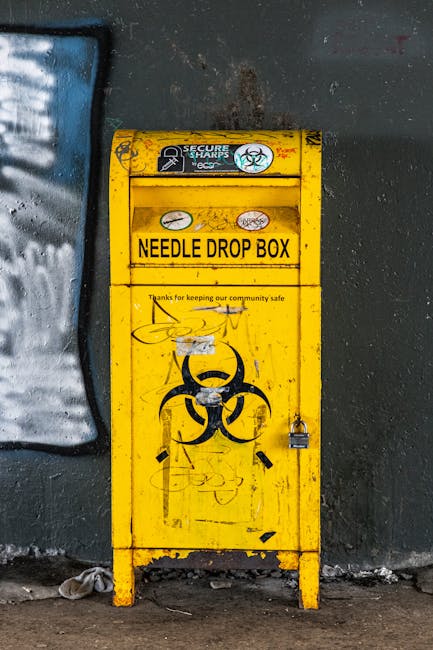
- concerns about sharps, mould-contaminated items, or unknown liquids
It also makes sense if you are a landlord or managing agent trying to choose between skip hire, ad hoc collection, or a fuller clearance solution. In compact streets and apartment blocks around Paddington, skip access can be tricky. Not impossible, just fiddly. For that reason, many landlords compare options and timings before deciding, rather than assuming the cheapest route will be the easiest one.
For instance, a landlord with a small flat full of furniture and a couple of chemical tins may find it more practical to use furniture disposal in Paddington combined with a separate plan for the hazardous bits. On the other hand, a landlord clearing a cluttered loft may need loft clearance in Paddington with careful segregation of anything risky discovered along the way.
If you manage a block or larger portfolio, the broader services overview can help you match the right type of clearance to the size of the job.
Step-by-Step Guidance
If you want a practical working method, use this sequence. It is simple, but it works.
- Walk the property carefully. Look in under-sink cupboards, utility areas, lofts, sheds, garages, and storage cages. Hazardous items are often tucked away, not proudly displayed.
- Make a rough inventory. Note the item type, quantity, whether the container is sealed, and whether anything is leaking or damaged.
- Sort into three groups: ordinary rubbish, bulky items, and possible hazardous waste.
- Isolate the risky items. Keep them separate, upright, and away from heat, children, pets, or general traffic through the property.
- Decide the disposal route. Use a suitable collection method rather than forcing all waste into one solution.
- Book access and timing. Consider stairwells, parking, lift restrictions, concierge times, and whether neighbouring properties may be affected by noise or odour.
- Confirm what will and will not be taken. That last bit matters. A short phone call or message can prevent a wasted visit.
- Keep a record afterwards. Save notes, invoices, and any disposal confirmation for the property file.
A small real-world example: a Paddington landlord finishes a tenancy on a Friday afternoon and finds dried paint pots, a half-used bottle of cleaning fluid, and two dead batteries in the utility cupboard. None of that is dramatic on its own. But if it is simply thrown into a mixed load, the clean-up team now has a problem. Separate it first, and the whole handover becomes calmer. No drama. Much better.
Expert Tips for Better Results
Over time, the landlords who stay out of trouble tend to do a few simple things consistently.
- Use a property walk-through template. A standard checklist helps you spot batteries, aerosols, bulbs, and chemical containers before they get overlooked.
- Store leftover materials properly between lets. Keep them in a cool, dry, secure place and away from ordinary junk.
- Think in layers. First remove obvious hazardous items, then bulky waste, then the rest. It is often the cleanest sequence.
- Ask what happens to mixed loads. A good provider should be able to explain how waste is separated, handled, and routed.
- Plan for access quirks. In Paddington, a brilliant plan on paper can still fail if the van cannot stop legally or if the lift booking is missed.
- Be conservative with unknown materials. If you cannot identify a liquid, powder, or container, do not guess. That is where little accidents start.
There is another practical tip worth mentioning: build hazardous waste checks into your void turnaround process. Not every tenant leaves obvious mess, but even tidy departures can hide one or two items in a cupboard. You will notice this more in older buildings, where storage space has a habit of becoming a tiny museum of forgotten bits.
If you are also comparing access and safety standards across clearance tasks, the page on insurance and safety is a useful companion point of reference.
Common Mistakes to Avoid
Most mistakes in hazardous waste disposal are not malicious. They are rushed, convenient, or based on assumptions. That said, the outcome can still be messy.
- Mixing hazardous waste with general rubbish. This is probably the most common problem. It can contaminate the whole load.
- Leaving chemicals in a warm plant room or sunny window. Heat and fumes do not mix well.
- Assuming all contractors take all waste. They do not. Different services handle different material types.
- Ignoring tiny items. A few batteries or bulbs may seem minor, but they still matter.
- Overfilling a skip with restricted items. If the load is not suitable, the skip may be unusable or require reworking.
- Failing to document the disposal. Even simple notes can help later if a tenant dispute or compliance question appears.
- Waiting until the last minute. That tends to create the worst decisions, and usually on a Friday.
Landlords sometimes ask whether a standard skip hire option in Paddington is enough. Sometimes it is, but not if the load includes items that need separate handling. The safer answer is to check first, then book.
And a small but important one: do not rely on "someone else will know what to do". In practice, that phrase often translates to "no one checked".
Tools, Resources and Recommendations
You do not need specialist kit for every job, but a few practical tools help landlords stay organised.
- Disposable gloves and eye protection: useful when inspecting damaged containers or dusty storage areas
- Sealable tubs or boxes: handy for separating smaller items like batteries, light bulbs, or caps
- Marker pens and labels: for marking unknown items so they are not accidentally mixed back in
- Photo records: useful if you need to brief a contractor or keep a tenancy record
- A simple disposal log: date, item type, quantity, and route used
On the service side, think about the size and complexity of the job before choosing how to handle it. A small, straightforward load may fit into a junk removal service, while a larger, more cluttered property may need broader support such as house clearance or a mixed waste solution. If you are dealing with business premises as well as rentals, office clearance in Paddington can also be relevant for landlords with commercial units.
For landlords who care about the environmental side of disposal, the page on recycling and sustainability is worth a look too. It helps frame waste decisions in a more responsible way, which is increasingly part of good property management rather than a nice extra.
Law, Compliance, Standards, or Best Practice
Hazardous waste sits in a regulated space, so caution matters. Landlords should not treat this as ordinary rubbish, and they should not assume every contractor can legally take every item. The safest approach is to follow recognised UK best practice: identify the material, keep it separate, use a suitable carrier, and keep records where appropriate.
Without pretending this is a legal seminar, a few common-sense compliance habits go a long way:
- do not put hazardous waste into general household bins if it is not suitable
- do not burn or dump it
- do not leave leaking containers where others may be exposed
- do not ask tenants to guess whether something is safe to move
- do keep documentation for your property file when a specialist disposal route is used
If you are unsure how a particular item should be handled, it is better to ask before collection rather than after a refusal. That is especially true for landlords with multiple units or properties near busy streets, where access and timing already make the logistics a bit more interesting. The practical side of this also overlaps with general tenant safety and insurance expectations, so it pays to keep your process tidy.
For related operational reading, the site's about us page and terms and conditions can help you understand how a professional service frames its responsibilities and service limits.
Options, Methods, or Comparison Table
Landlords usually end up choosing between a few broad routes. The right one depends on quantity, access, urgency, and the type of waste involved.
| Method | Best for | Pros | Limitations |
|---|---|---|---|
| Separate hazardous collection | Paints, chemicals, batteries, bulbs, unknown containers | Safer, more appropriate for risky materials, easier to document | May need more planning and clear item identification |
| General rubbish clearance with segregation | Mixed property clear-outs with only a few hazardous items | Efficient for wider clearances, less admin than splitting everything | Requires careful sorting before collection |
| Skip hire | Bulky non-hazardous waste, renovations, larger clear-outs | Good for volume, simple for non-specialist items | Not suitable for restricted or dangerous materials |
| Full house or loft clearance | Void properties, inherited stockpiles, cluttered rentals | Convenient, comprehensive, saves time | Needs clear instructions on what is excluded |
If your main issue is volume rather than dangerous material, rubbish collection in Paddington can be a good fit. If the property includes a garden area and you are finding old containers or treated materials outdoors, garden waste removal may also be relevant, though any hazardous pieces still need separating first.
Case Study or Real-World Example
Here is a realistic example from the kind of situation landlords run into all the time. A landlord in Paddington is preparing a two-bed flat for re-letting after a long tenancy. The flat is mostly fine, but the kitchen cupboard contains old cleaning products, a cracked aerosol can, three batteries, a couple of light bulbs, and one unlabeled plastic bottle with a residue at the bottom.
Nothing here looks dramatic. But it is enough to complicate a normal rubbish collection if nobody checks the cupboard first. The landlord does the right thing: photographs the items, isolates them in a safe box, separates them from the furniture and general rubbish, and books a clearance route that can deal with the wider flat contents while excluding the risky materials.
The result? The clearance team arrives with fewer surprises. The flat is turned around more quickly. No one has to stand there guessing whether a bottle smells "chemical-ish". And the landlord can move on to cleaning and viewings with a calmer head. That kind of smooth handover is not glamorous, but it makes property management easier in the real world.
For landlords handling faster turnarounds or more awkward access, the site's guide to same-day junk removal for Paddington flats with bulky items gives a useful sense of how urgent clearances can be organised without losing control of the details.
There is also a useful local angle if you are dealing with a busy block, tight parking, or a difficult access point. Articles like best rubbish collection times on Praed Street and dealing with flytipping near Harrow Road are helpful reminders that timing and location can matter just as much as the waste itself.

Practical Checklist
Use this quick checklist before you arrange disposal. It is simple, but it catches a lot.
- Have I checked cupboards, lofts, garages, and storage areas?
- Have I identified any chemicals, batteries, bulbs, aerosols, oils, or damaged containers?
- Have I separated possible hazardous items from general waste?
- Are the items sealed, upright, and away from heat or foot traffic?
- Do I know which items are excluded from the planned collection method?
- Have I matched the disposal route to the type and quantity of waste?
- Have I considered access, parking, and timing in Paddington?
- Have I taken photos or made a short inventory?
- Do I have a record of the disposal plan or collection confirmation?
- Have I checked whether broader clearance help would be easier than piecemeal removal?
If you can answer yes to most of those, you are in good shape. If not, pause for ten minutes and sort the basics. That small delay can save hours later.
For a final bit of practical planning, many landlords find it useful to compare the cost and convenience of different approaches before they book. If that is where you are at, pricing and quotes can help you think through the next step without overcommitting too early.
Get a free quote today and see how much you can save.
Conclusion
Hazardous waste disposal does not need to be complicated, but it does need to be careful. For Paddington landlords, the smart approach is usually the same: identify the risky items, separate them early, choose a disposal method that fits, and keep a clear record. Do that, and you reduce risk, protect your tenants, and make every turnover a bit less stressful.
In a busy rental market, the small operational details matter more than people think. A tidy cupboard, a safe clear-out, and a sensible plan for awkward waste can save time, money, and a lot of unnecessary faff. And honestly, that is the kind of quiet win property management is built on.


 Tipper Van - Rubbish Removal and Rubbish Disposal Prices in Paddington, W2
 Luton Van - Rubbish Removal and Rubbish Disposal Prices in Paddington, W2





