Dealing with Fly-Tipping Near Harrow Road, Paddington
Posted on 23/05/2026
Dealing with Fly-Tipping Near Harrow Road, Paddington: A Practical Local Guide
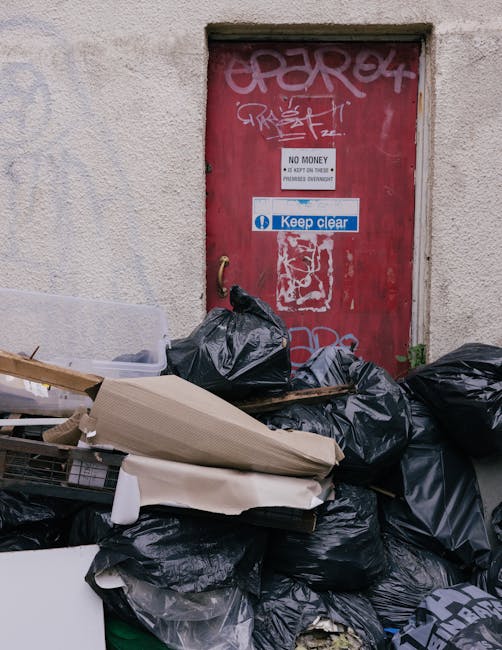
Fly-tipping near Harrow Road can turn a normal day into a messy one fast. One minute you're walking past a quiet stretch of road or stepping out with the bins, and the next you're looking at a dumped sofa, builder's rubble, black bags, or a small mountain of broken household waste. It's frustrating, unpleasant, and-let's face it-often leaves residents, landlords, and local businesses wondering what to do first.
This guide to Dealing with Fly-Tipping Near Harrow Road, Paddington is here to make that first response easier. You'll find a clear explanation of what counts as fly-tipping, why it matters in a busy London setting, how clearance usually works, what to avoid, and when it makes sense to bring in a professional team. If you're dealing with a one-off dump or repeated nuisance waste, this article walks through the practical side without the fluff.
There's also a stronger local angle here than most generic advice pages offer. Harrow Road sits in a live, heavily used part of Paddington, where foot traffic, deliveries, residential blocks, and small commercial premises all overlap. That means waste problems can become visible quickly, smell quickly too, and create a chain reaction of complaints. So, what should you do first? Read on.
Why Dealing with Fly-Tipping Near Harrow Road, Paddington Matters
Fly-tipping is more than just an eyesore. Near Harrow Road, it can affect safety, accessibility, local reputation, and even the daily rhythm of an entire street. A dumped mattress or bagged waste narrows pavements, blocks entrances, and attracts further rubbish if it is left too long. In other words, rubbish rarely arrives alone.
For residents, it can make the area feel neglected. For landlords and managing agents, it can create complaints from tenants or visitors. For shopfronts and offices, it can interfere with customer access and create a poor first impression before anyone has even stepped inside. If you're selling or letting property, that first impression matters more than people like to admit; the street outside often shapes how the place inside is perceived. If you're curious about how location and presentation influence local property decisions, the articles on selling homes in Paddington and real estate tips for Paddington buyers are useful reading alongside this guide.
There's also a health and nuisance angle. Waste left outdoors can smell, leak, or become a hazard during wet weather. Bags split. Food waste attracts pests. Broken glass and sharp materials can injure passers-by. It doesn't need to be a huge pile to be a problem, either. A single dumped fridge, for example, can create a headache for days if it's awkwardly placed or contaminated with mixed waste.
Key takeaway: dealing with fly-tipping quickly protects safety, keeps the street usable, and prevents a small problem from becoming a bigger, more expensive one.
How Dealing with Fly-Tipping Near Harrow Road, Paddington Works
In practice, dealing with fly-tipping usually follows a simple pattern: identify the waste, assess whether it is safe to touch, decide who is responsible, and arrange removal in the most suitable way. That sounds straightforward. Often it isn't, especially if the waste is on shared land, close to a commercial unit, or mixed with building materials.
Here's the usual flow in plain English:
- Inspect the waste from a safe distance. Check what has been dumped without moving anything yet.
- Look for hazards. Needles, chemicals, broken glass, leaks, or heavy items change the approach completely.
- Work out the location. Is it on private land, a communal forecourt, a rear alley, or the public highway?
- Separate obvious reusable, recyclable, or hazardous items where possible. This is not about sorting every last screw; it's about making the removal process more efficient and safer.
- Choose the right removal method. A small pile of bagged rubbish is different from builders' waste or bulky furniture.
- Remove and dispose responsibly. Good disposal should include lawful handling and sensible recycling where practical.
For some sites near Harrow Road, a same-day clearance is the cleanest answer, particularly where the waste is blocking an entryway or causing repeated complaints. For others, a planned collection is more appropriate, especially if access is tight or the items need to be moved from a rear yard, basement, or upper floor. That's where a local service like rubbish clearance in Paddington can be a practical option.
One thing people often miss: fly-tipped waste sometimes contains a mix of normal rubbish and waste that should be handled with extra care. Builders' debris, old furniture, garden cuttings, and general household junk can all end up together. That mix affects loading time, disposal routing, and cost. If the waste looks like renovation leftovers, a page such as builders' waste clearance in Paddington is particularly relevant.
Key Benefits and Practical Advantages
Getting fly-tipped waste dealt with properly is about more than tidying up. The real benefits are practical, and in a busy area they show up quickly.
- Safer access: Removing dumped waste clears pavements, entrances, loading bays, and shared walkways.
- Better hygiene: Quick collection helps reduce smells, pests, and contamination risks.
- Less neighbour friction: A visible mess often becomes a visible complaint. Fast action helps calm things down.
- Improved property presentation: This matters for residents, landlords, agents, and businesses alike.
- Lower chance of repeat dumping: Areas that stay clear are less likely to look "available" for more waste.
- More responsible disposal: Professional removal should keep recyclable and reusable materials out of general waste where sensible.
There's a quieter benefit too: peace of mind. It's hard to focus on a normal workday when a pile of unknown waste is sitting outside the building. A quick, reliable clearance can remove that background stress. Small thing, big difference.
If you're weighing up options for regular or occasional waste removal, the broader services overview is a helpful place to see how clearance services fit together. And if sustainability matters to you, the company's approach to recycling and sustainability is worth reviewing before you book.
Who This Is For and When It Makes Sense
This type of clearance is relevant to a wider group than most people expect. It's not just for homeowners with a bad patch of dumped rubbish outside the front gate.
- Residents dealing with dumped bags, broken furniture, or abandoned household waste near their building.
- Landlords and managing agents responsible for shared entrances, bin stores, or rear access areas.
- Shop owners and office managers who need entrances kept clear and presentable.
- Builders and contractors handling leftover renovation waste after a job.
- Letting and estate professionals preparing a property or communal area for viewing, handover, or new occupancy.
- Any local property owner who wants to avoid a lingering waste issue becoming a neighbour dispute.
Sometimes the right response is simply to photograph the waste, avoid handling it, and arrange prompt removal. In other cases, especially where the pile includes furniture, sharp debris, or larger volumes, it makes sense to plan for a dedicated collection rather than trying to shift it piecemeal. If the site is part of a house clearance, a more complete service such as house clearance in Paddington may be the better route.
A small but useful rule of thumb: if the waste would take you more than one car load, or if you'd need gloves, tools, and a ladder just to get it out safely, it is probably already beyond the casual DIY stage. No shame in that.
Step-by-Step Guidance
If you're facing fly-tipped waste near Harrow Road, here's a sensible order of operations. It's not glamorous, but it works.
1. Check for immediate danger
Before you do anything else, look for broken glass, needles, leaking liquids, strong odours, signs of pests, or unstable piles. If the waste includes anything suspicious or hazardous, do not start moving it by hand. Keep children, pets, and passers-by away from the area.
2. Take clear photos
Photographs help with reporting, insurance discussions, tenant communications, and removal quotes. Get a few angles if possible. One wide shot and one or two close-ups are usually enough. Don't overthink it. You're not documenting a film set.
3. Note the location and access
Write down where it is, how large it appears, whether a vehicle can get close, and whether the items are on a pavement, in a rear yard, or inside a gated entrance. Access details matter a lot for removal planning.
4. Separate what can be safely isolated
If there are obvious bags, cardboard, furniture, or garden waste sitting on top of a larger mix, note that. You don't need to sort the whole pile yourself, but any useful detail helps the collection team plan the right vehicle and crew size.
5. Arrange the right removal method
Choose a service that fits the waste type. General junk is not the same as heavy builders' debris, and furniture disposal is different again. If the items are mostly bulky household pieces, the dedicated furniture disposal service in Paddington may be the most efficient option.
6. Confirm safety, timing, and disposal expectations
Ask how access will be handled, whether the team can manage stairs or narrow entrances, and what happens to recyclable material. If timing is tight, a same-day or next-day booking may save a lot of hassle. For anyone comparing booking options and budgets, pricing and quotes is worth checking before you decide.
7. Keep records after the clearance
After the waste is removed, keep any invoice, job note, or before-and-after photos. That's useful for landlord files, property management records, and future reference if the issue repeats.
To be fair, the calmest jobs are the ones where someone has thought through these steps before the rubbish starts spreading into the gutter or across the entrance. Planning makes a visible difference.
Expert Tips for Better Results
Fly-tipping cleanup goes more smoothly when you focus on the awkward details people often skip. These are the small things that save time later.
- Don't guess the waste type. If it looks like mixed waste, treat it as mixed waste.
- Watch for hidden weight. A bag can look light and turn out to be full of rubble or wet material.
- Think about parking and access early. On busy streets, vehicle positioning can matter as much as the removal itself.
- Be cautious with unknown liquids or sealed containers. If you cannot identify them safely, leave them alone.
- Choose the timing carefully. On a street with regular deliveries or heavy footfall, quieter windows can make the job quicker and less disruptive.
- Prioritise repeated hotspots. If the same place keeps attracting waste, consider whether lighting, signage, bin access, or layout is part of the issue.
For local context, a useful thing to remember is that busy routes and mixed-use streets often need waste cleared at a time that avoids peak disruption. The article on best rubbish collection times on Praed Street, Paddington gives a good sense of how timing can shape the whole experience in the wider neighbourhood.
One more practical tip: if you're dealing with garden debris or overgrown cuttings dumped alongside other waste, keep that separate in your notes. A dedicated garden waste removal service in Paddington may help when the pile is mainly green waste with a few odd extras thrown in. Happens more often than you'd think.
Common Mistakes to Avoid
The biggest mistakes are often the ones that feel quickest in the moment. Unfortunately, quick can become expensive.
- Touching unknown waste without protection. Gloves are not optional if the waste is sharp, dirty, or potentially contaminated.
- Dragging heavy items by yourself. Injuries happen fast with fridges, wardrobes, rubble bags, and broken furniture.
- Mixing fly-tipped waste with your own rubbish. That can create confusion over responsibility and disposal.
- Leaving the pile "for later." The longer waste sits, the more likely it is to spread, smell, or attract more dumping.
- Using the wrong type of clearance. A bulky item collection may not suit builders' rubble, and vice versa.
- Ignoring access constraints. A narrow mews entrance or shared courtyard can turn a simple clearance into a careful manoeuvre.
Another mistake is assuming all waste can be dealt with in the same way. It can't. A box of old paperwork, a pile of office chairs, and a load of demolition debris are three different jobs. If the site includes commercial waste or office contents, office clearance in Paddington may be more appropriate than a general pickup.
And yes, trying to solve everything in one "big tidy-up" session is appealing. We've all done it. But if the pile is mixed or awkward, break the job down instead of rushing straight in.
Tools, Resources and Recommendations
You do not need a van full of gadgets to deal with fly-tipping, but a few basic tools and the right service options make the process much smoother.
Useful tools for safe handling
- Heavy-duty gloves
- Closed shoes or boots
- Strong bags for minor loose waste, if it is safe to bag
- A torch for checking dark corners, basements, or rear access areas
- A phone camera for before-and-after records
- A tape measure if access is tight or bulky items need estimating
Useful service options
Depending on the waste, one of several local services may be more useful than a general collection. For example:
- junk removal in Paddington for mixed household clutter and light general waste
- garage clearance in Paddington if the dumped material is tangled in stored items or overspill
- loft clearance in Paddington when access is awkward and waste is being moved from above
- skip hire in Paddington for planned jobs where you expect repeated loading over time
- waste removal in Paddington when the job needs a broader, flexible approach
If you want a clear overview of how different services fit together before making a decision, the page on services overview is the best place to start. It helps you compare the likely best fit rather than booking something that only half-solves the problem.
Law, Compliance, Standards, or Best Practice
When dealing with fly-tipped waste, it is wise to follow accepted UK best practice even if the situation looks simple. The main principle is straightforward: waste should be handled, transported, and disposed of responsibly by a lawful and suitably equipped operator. If you are a property owner, landlord, or business, you still need to think carefully about duty of care and documentation.
In plain language, that means you should not hand waste to someone who cannot explain where it will go or how it will be handled. If you are arranging a clearance, ask about disposal methods, recycling practices, and whether the team is set up to manage different waste types safely. A professional service should be able to explain that without sounding evasive.
Safety matters too. Even a small dumped pile can hide risks under the surface. Broken glass, needles, old paint tins, sharp timber, and damp materials are common enough to deserve caution. If anything seems suspect, slow down and keep people away. Simple enough, but easy to forget when everyone wants the mess gone yesterday.
For reassurance on operational standards, it may also help to review the company's insurance and safety page before booking. That kind of background detail is not glamorous, but it matters when waste is heavy, awkward, or in a shared location. If you're choosing a provider, transparency is a good sign.
And while the law around disposal can feel dry, the practical point is really about traceability and care. If the work is done properly, you should be left with a clean space and fewer worries, not more. That's the standard to look for.
Options, Methods, or Comparison Table
There is no single best method for every fly-tipping job near Harrow Road. The right choice depends on the type of waste, access, urgency, and whether the material is mixed or bulky. Here is a simple comparison to help you think it through.
| Option | Best for | Strengths | Watch-outs |
|---|---|---|---|
| DIY removal | Very small, safe, loose waste | Fast for minor tidying | Risky with heavy, sharp, or unknown items |
| General rubbish clearance | Mixed household waste, light clutter | Flexible and convenient | May not suit rubble or specialist waste |
| Bulky item disposal | Sofas, mattresses, wardrobes, chairs | Good for large single items | Not ideal if the waste is a broad mixed pile |
| Builders' waste clearance | Rubble, plaster, timber, renovation offcuts | Better for heavier construction waste | Can be more complex if items are mixed |
| Skip hire | Planned, ongoing loading | Useful for longer clear-outs | Needs space and suitable site access |
In many Paddington situations, the best answer is not the cheapest one on paper. It is the option that gets the site cleared safely, avoids repeated handling, and fits the access you actually have-not the access you wish you had. That's the honest version.
Case Study or Real-World Example
Imagine a small managed block just off Harrow Road. On a Monday morning, someone notices a dumped pile beside the rear gate: two broken chairs, three black bags, flat-pack offcuts, and a stained rug. Nothing dramatic at first glance, but the gate is partially blocked and residents are stepping around it. By late afternoon, the bags have been split by passing traffic or maybe a fox, and the whole thing looks worse than it did at 8 a.m.
The managing agent takes a few photos, notes access through the rear lane, and checks whether the pile contains anything sharp or leaking. It appears to be mixed junk rather than hazardous waste, but there are enough awkward items to make a quick DIY move unwise. A local clearance team is booked, and because the access is narrow, they plan the visit for a quieter part of the day.
The crew removes the waste in one visit, separates out recyclable material where possible, and clears the gate area so residents can come and go without fuss. The benefit isn't just the tidy space. The site is easier to manage afterwards because the agent now has a record of the incident, a contact for future rapid response, and a clearer idea of how long such jobs usually take in that location.
That's the real lesson: a good clearance is not just removal. It is a small, controlled reset for the space. A bit boring maybe. Also very useful.
Practical Checklist
Use this checklist if you spot fly-tipped waste near Harrow Road or in a nearby Paddington street.
- Keep people away from the waste if it may be hazardous.
- Take clear photos from a safe distance.
- Note the exact location and access constraints.
- Identify whether the waste is general, bulky, builders' waste, garden waste, or mixed.
- Check whether the pile appears to include liquids, glass, needles, or other dangerous items.
- Decide whether the job needs a quick collection or a planned removal.
- Ask about recycling, disposal, and safety procedures before booking.
- Keep a record of the clearance once completed.
- Review whether the area needs better bins, lighting, signage, or regular monitoring.
- Arrange follow-up if the same spot keeps attracting dumped waste.
Fast reminder: if you are unsure what the waste contains, do not start pulling it apart by hand. Step back, assess, and get help.
If you need direct help with waste removal, quotes, or a practical next step, you can always use the contact page to make an enquiry. A quick message with photos and a location note usually saves time on both sides.
Get a free quote today and see how much you can save.
Conclusion
Dealing with fly-tipping near Harrow Road is rarely just about clearing rubbish. It is about making a space safe again, restoring confidence in the street, and stopping a small nuisance from spreading into a larger one. In a part of Paddington where people live, work, move through, and notice everything, fast and sensible action makes a real difference.
The best outcome is usually the simplest one: assess the waste safely, choose the right clearance method, keep records, and get the job handled without drama. If the pile is mixed, awkward, or time-sensitive, professional help is often the calmest path. Truth be told, that's often the smartest one too.
And once it's gone, the street feels lighter. Quieter. Easier to live with. That matters more than people expect.



 Tipper Van - Rubbish Removal and Rubbish Disposal Prices in Paddington, W2
 Luton Van - Rubbish Removal and Rubbish Disposal Prices in Paddington, W2





